 Book
 +39 347 382 2028
 info@aivellutai.it
 Contact us
Book
+39 347 382 2028
info@aivellutai.it
Contact us
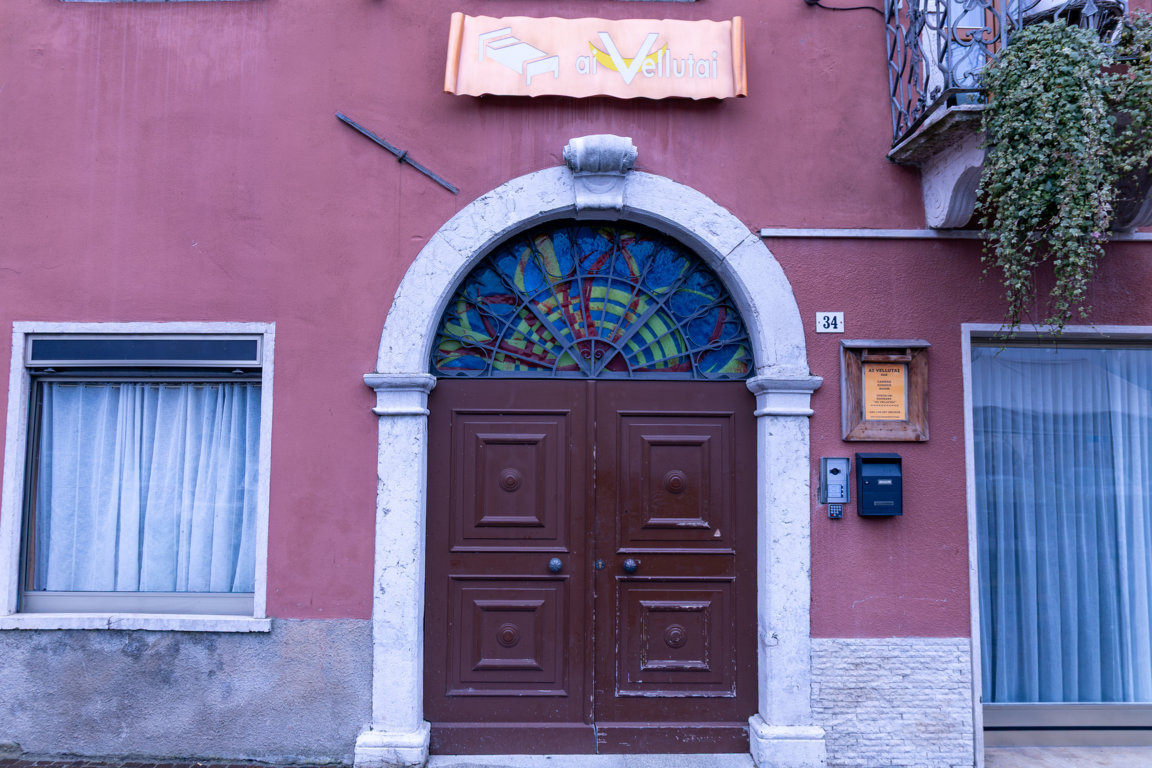
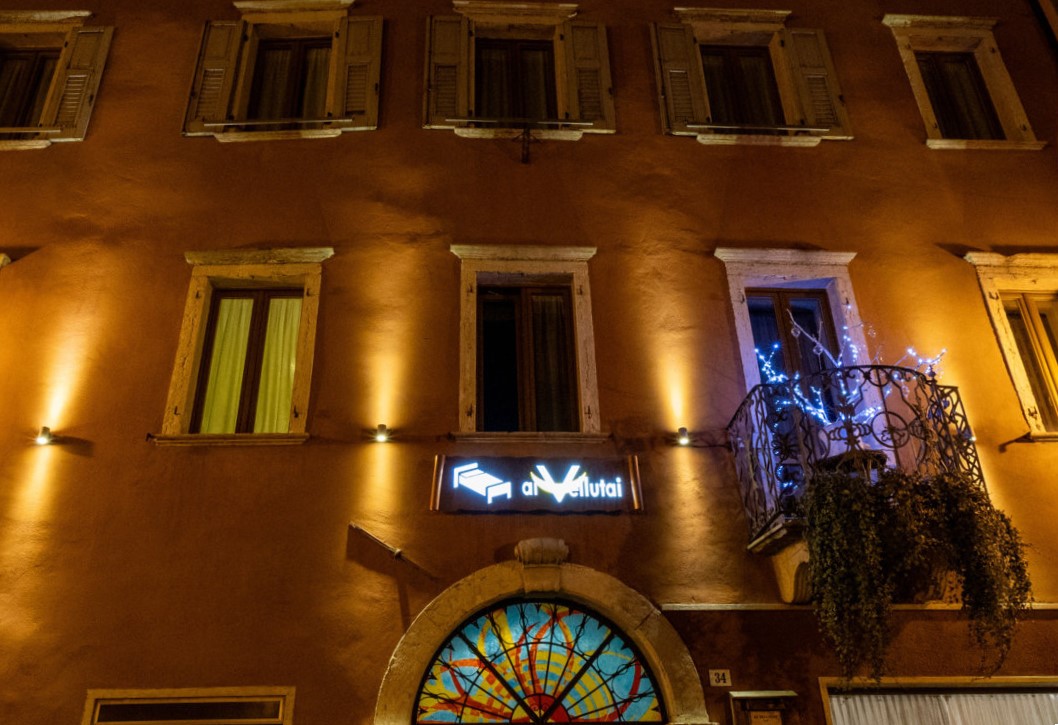
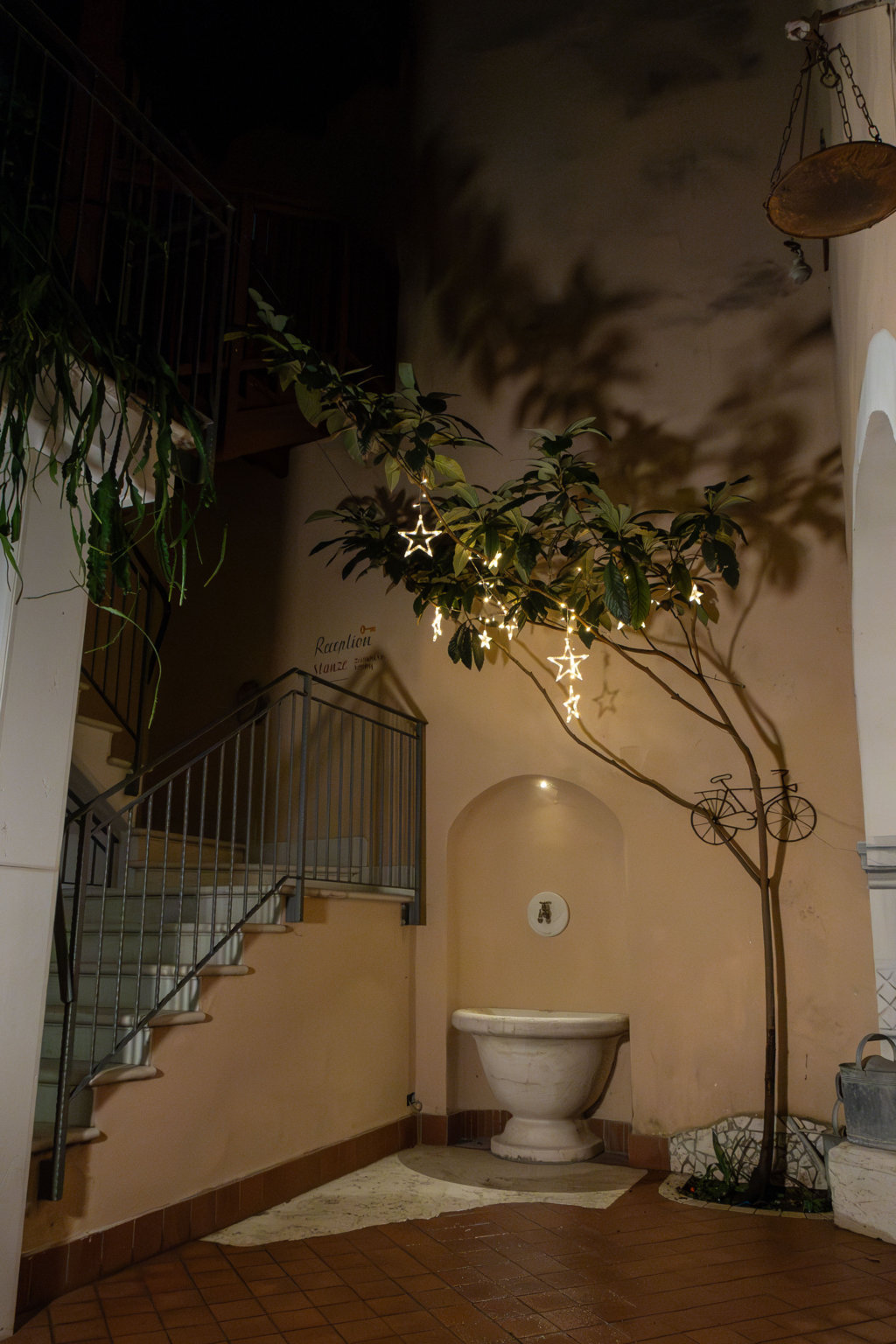
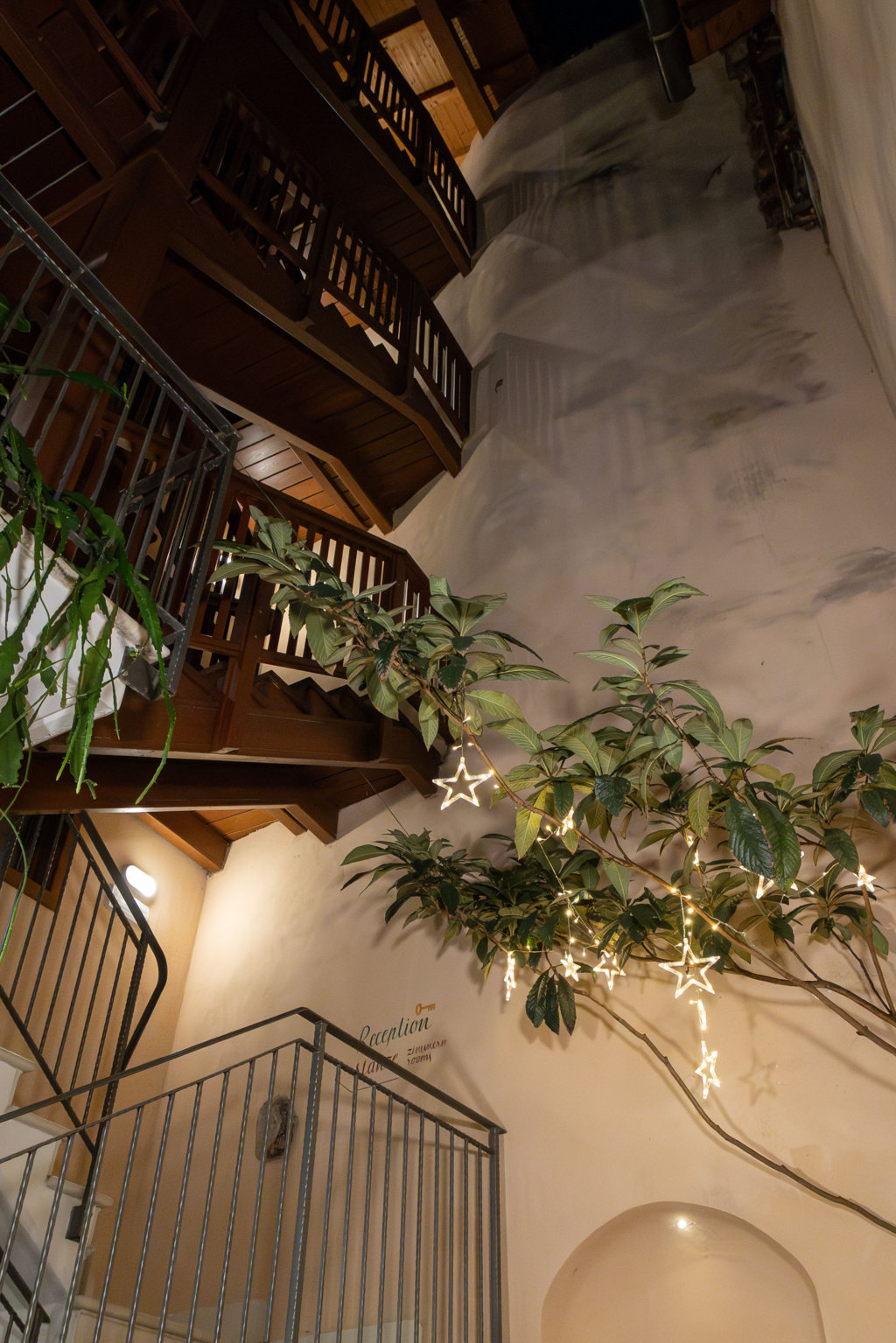
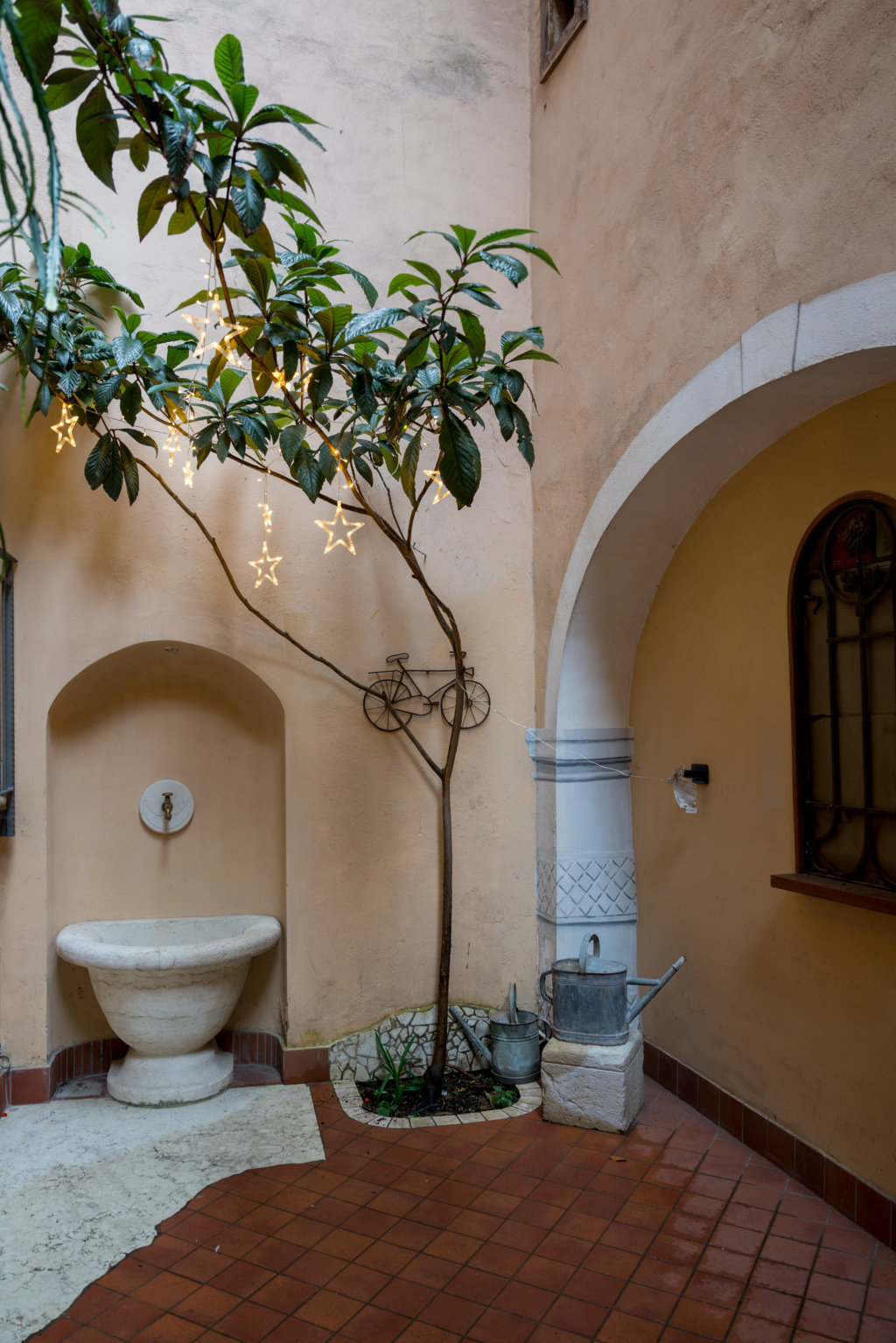
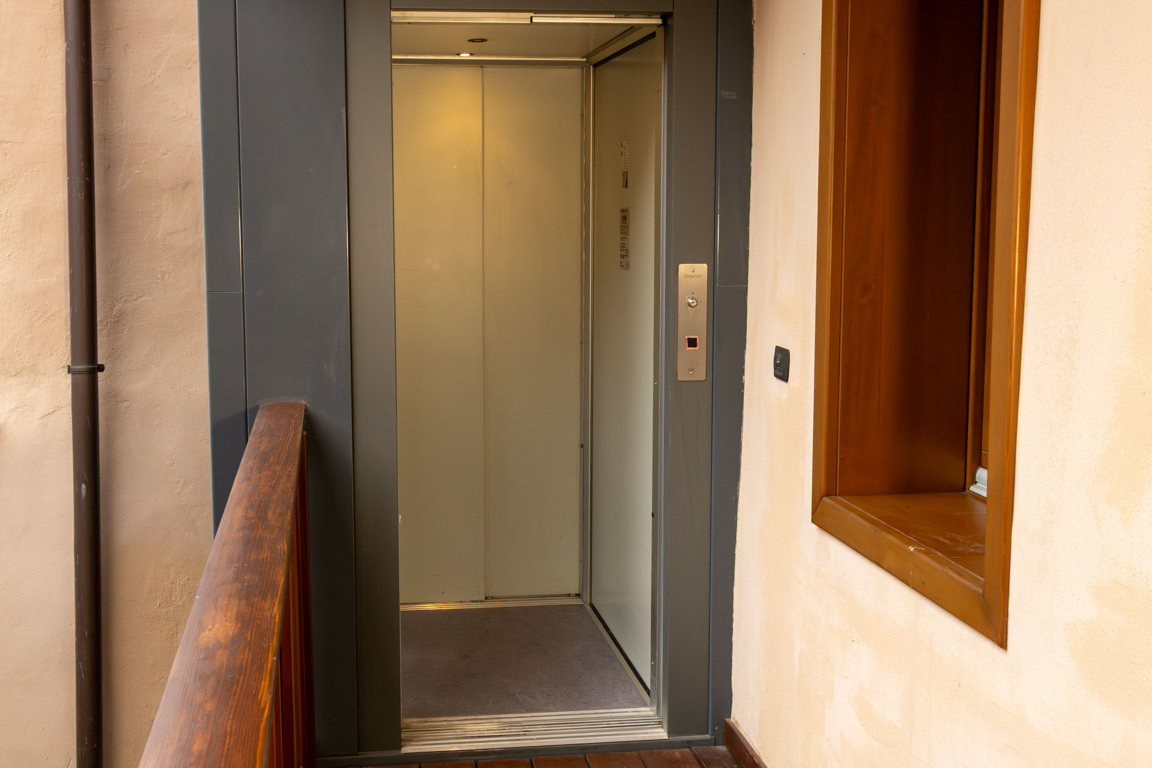
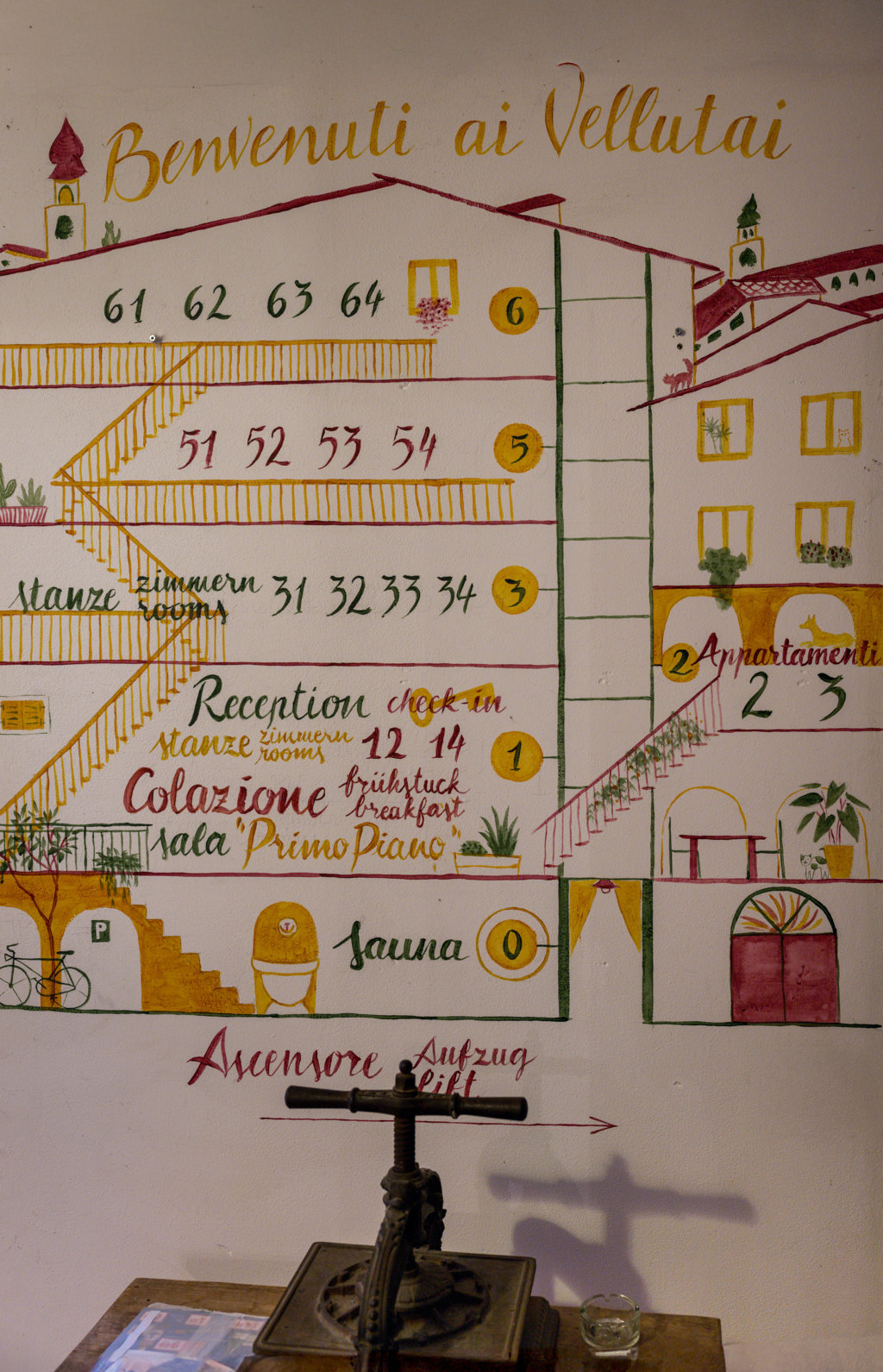
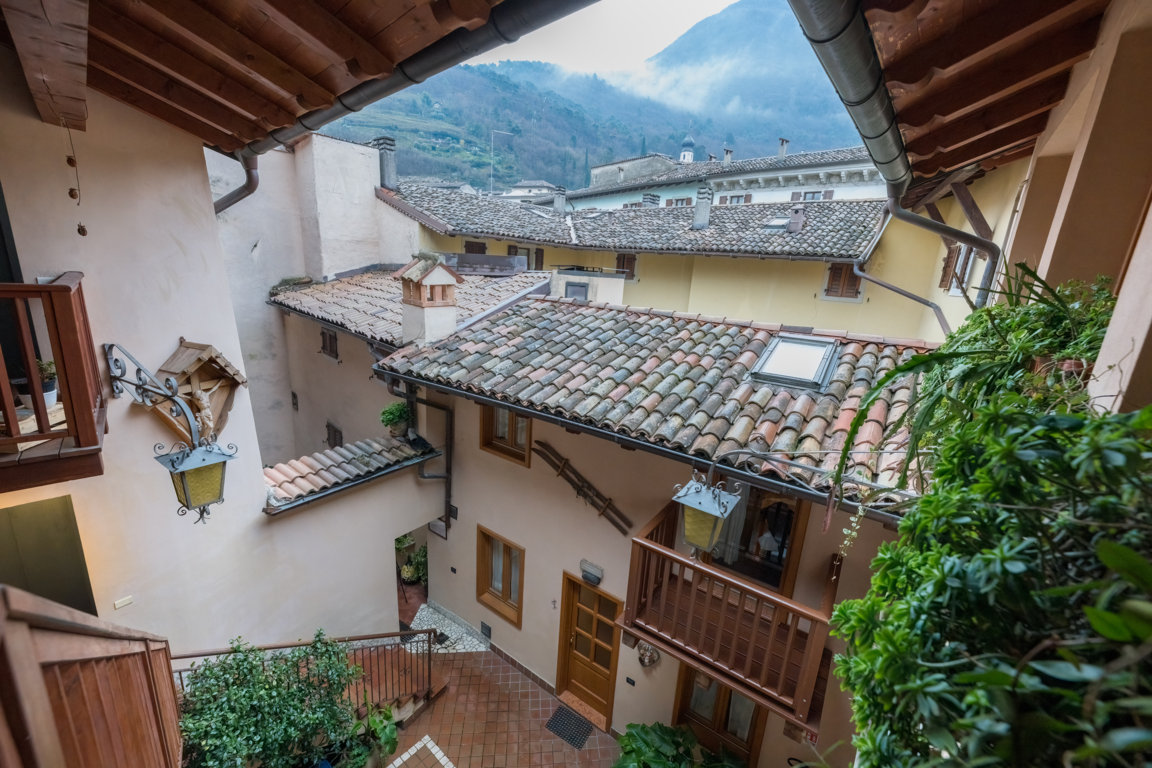
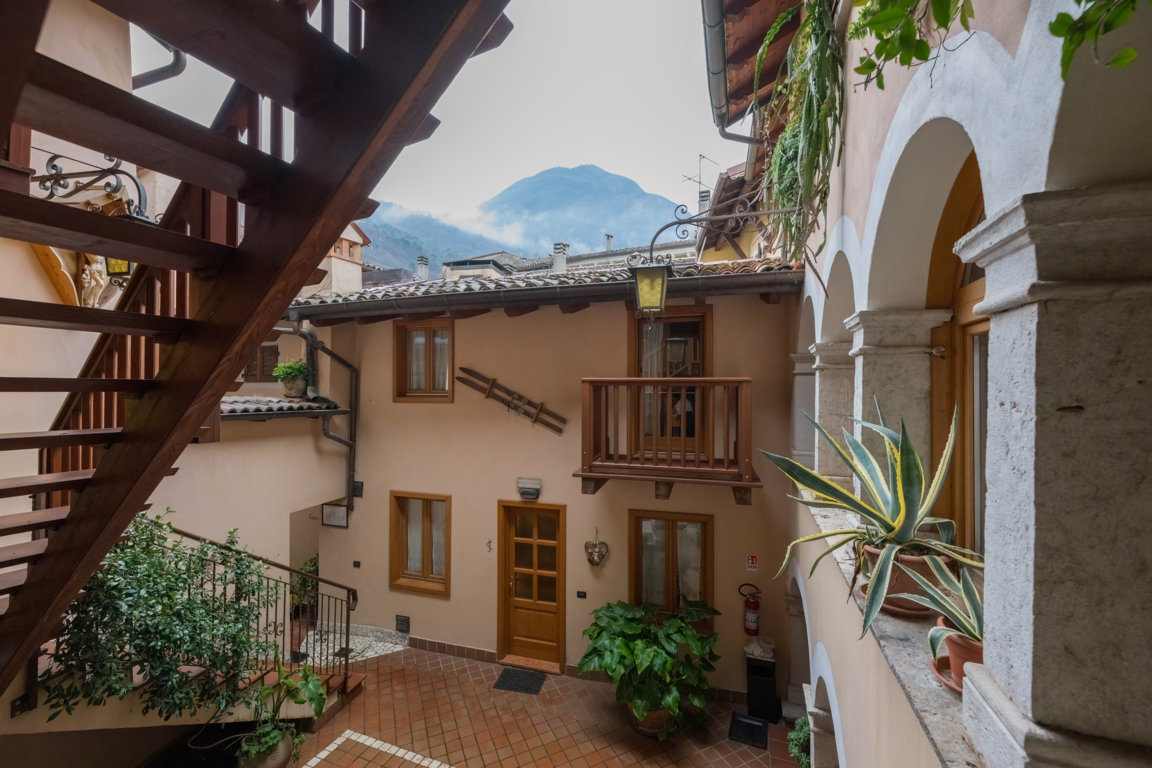
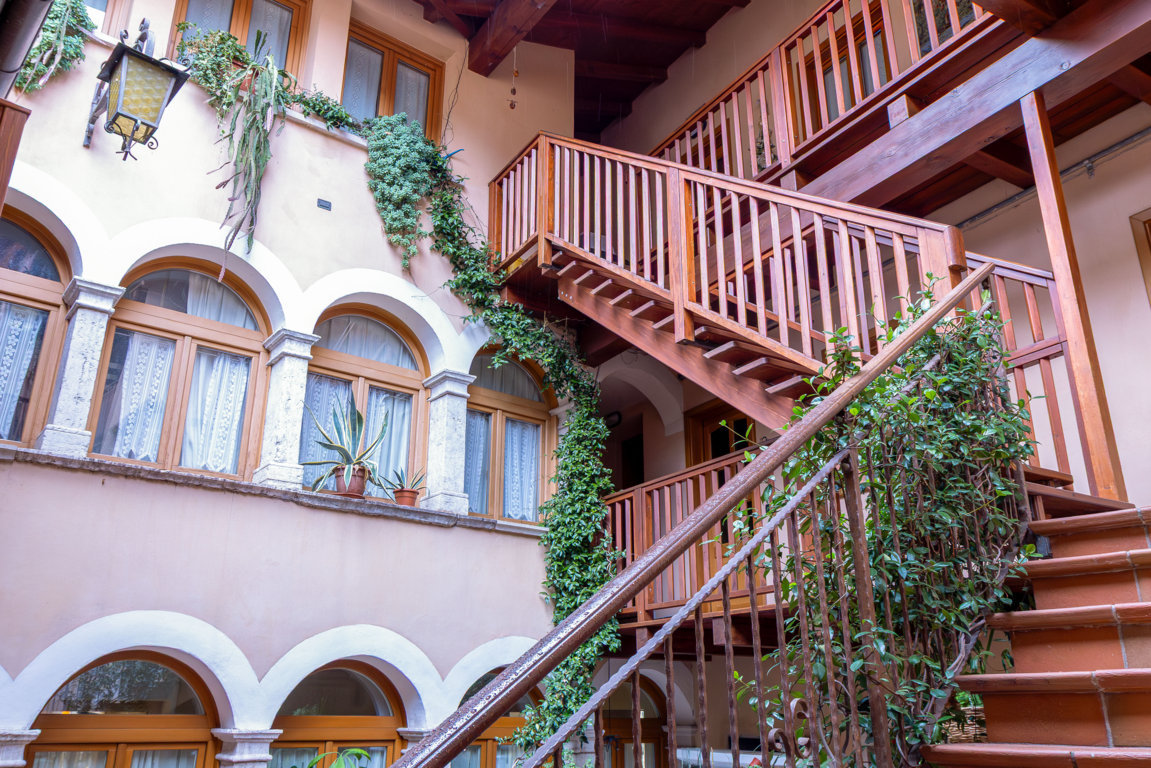
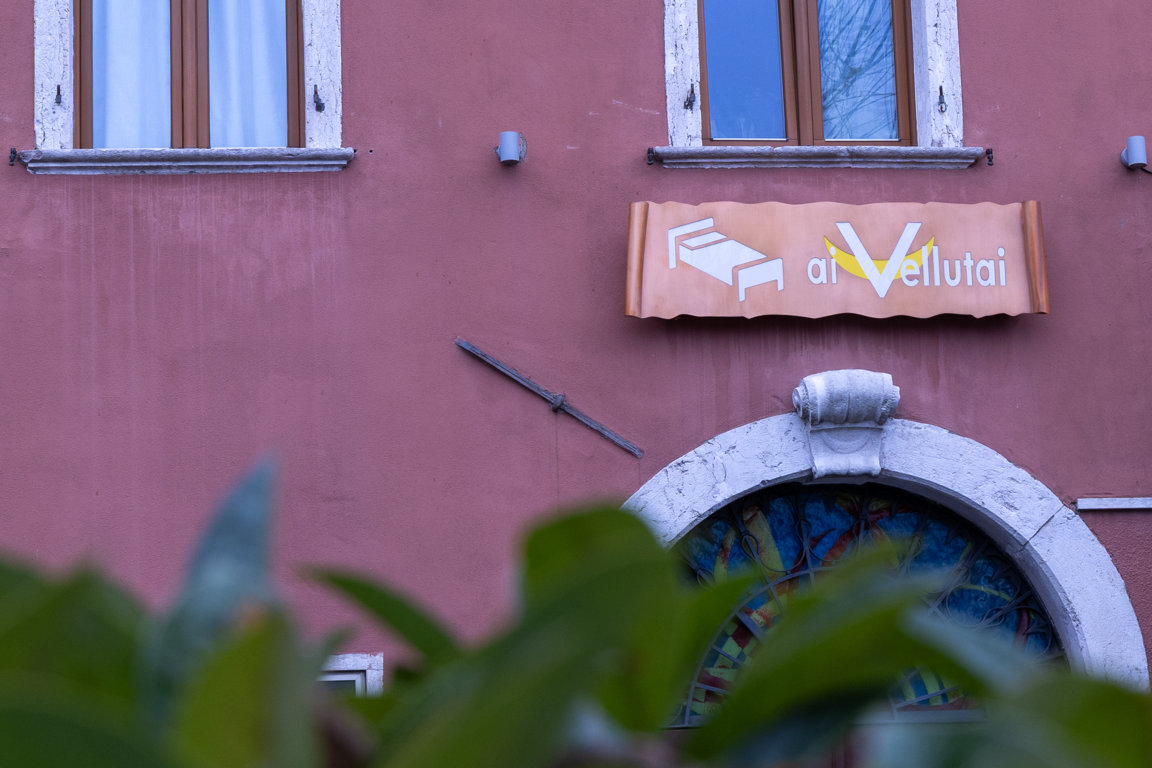
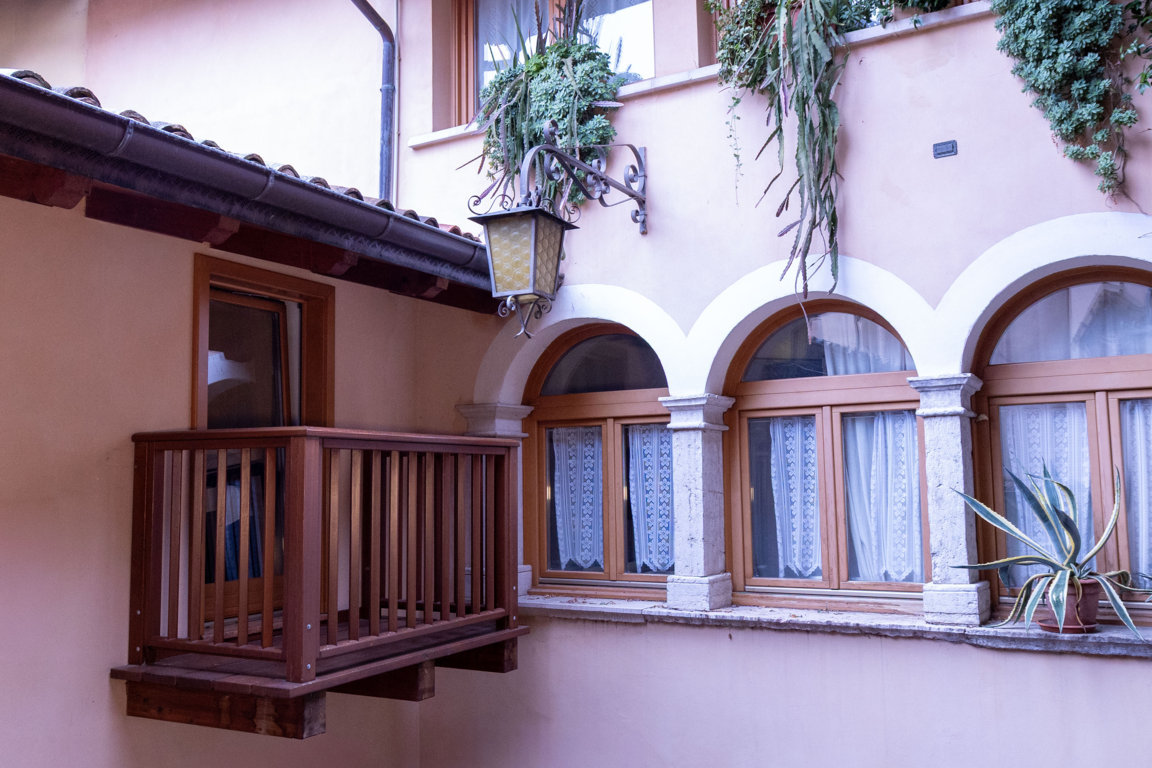
Our house is located in the historic center of Ala, the "City of Velvet". This is where the idea of the structure's name comes from. After a long and meticulous renovation, we recreated 8 brand new rooms with finely decorated wooden bathrooms and 2 spacious apartments complete with equipped kitchens. The internal panoramic elevator allows access to the entire house, even for people with disabilities. We can accommodate up to 25 people. The Nave-Raffaelli family is pleased to welcome you.
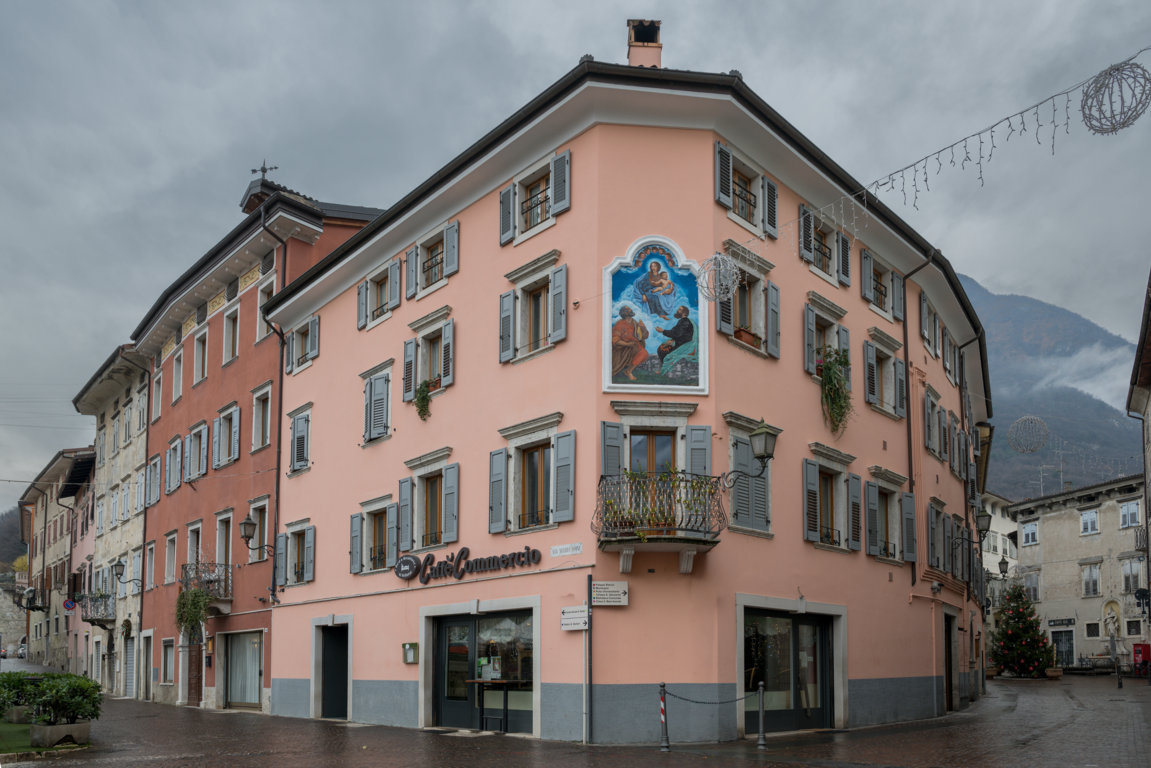
A town of ancient origins, it became famous in the 18th century for the production of silk and velvet. Illustrious and characteristic town, it is the economic and cultural capital of the Lower Val Lagarina. It is located at the mouth of the valley carved by the Ala stream, which descends from the Lessini Mountains, at the foot of Monte Corno. The town has a Baroque and late Baroque face with palaces and houses aligned along the narrow and winding paved streets with porphyry pebbles, alternating with medieval and Renaissance squares and openings. It has Roman origins: it was in fact located on the Roman road and on the medieval road that connected Germany to Italy and vice versa, it was a stopping place for historical figures, religious and cultural men. It rose to considerable economic prosperity starting from the 17th century with the introduction of the art of velvet weaving and then industrial activity tempered by the traditional agricultural-silvo-pastoral presence. To be seen is the 17th-century Angelini palace, of the noble Engelsberg, one of the most notable urban residences in the province of the 17th-century Trentino. The palace is on three floors with symmetrical orders of windows, portico, loggia, internal courtyard with a large Baroque fountain, wrought iron gate, fireplace hall with 18th and 19th-century paintings and rich stucco decoration. Also notable are the Malfatti palace with a neoclassical facade characterized by a balconied portal, the Wagmeister and Scomazzoni palaces on whose courtyard look the portico and loggia, the Pizzini house with a loggia curiously decorated with three large bifore a full sixth, the Pizzini palace, one of the most precious monuments of baroque residential architecture in Ala and the Vallagarina, which hosted Wolfgang Amadeus Mozart and Napoleon Bonaparte. The town has long abandoned the silk activity that made it famous and has become a fervent artisanal and industrial pole, accompanied by agricultural activity, mainly directed towards wine production.

Refrigerator in common

Energy saving

Water saving

Clean air

Non-smoking rooms

Separate collection

Domestic animals with supplement

Free public parking or garage 100 meters from the structure

Free public parking or garage 100 meters from the structure

Free public parking or garage 100 meters from the structure